

In a recent technical release, Wolong Electric Nanyang Motors, a global leader in advanced motor manufacturing, issued a cautionary statement regarding the forced use of 380V power to test motors designed for 230V operation. The company emphasized that such practice, especially with alternating motors, could lead to severe mechanical and thermal failures—often irreversible.
According to Wolong Electric's engineering team, when a 230V asynchronous motor is exposed to 380V input without appropriate transformation or regulation, it is effectively overfed with energy beyond its design tolerance. This results in a dramatic increase in current, leading to excessive heat generation within the motor windings. In many cases, thermal overload occurs within seconds, melting insulation, damaging bearings, and compromising the magnetic field alignment of the rotor.
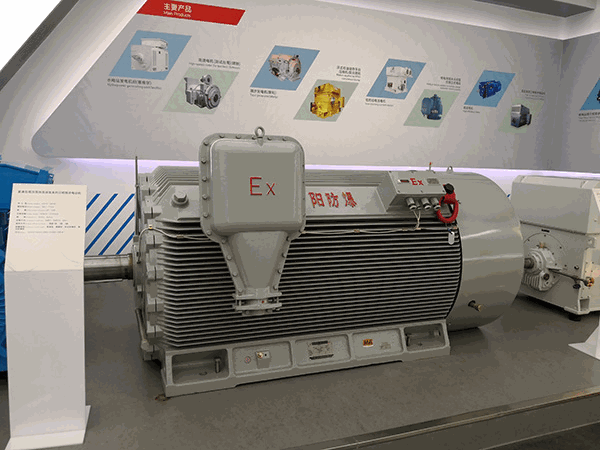
The risk is even more pronounced in anti explosion motors, which are meticulously built for hazardous environments like chemical plants or oil refineries. These motors are precision-engineered to eliminate any possibility of sparking or heat-induced ignition. When such a motor is subjected to an overvoltage test, the temperature may spike beyond its certified explosion-proof threshold, defeating the very safety features that justify its installation in explosive atmospheres.
Wolong Electric Nanyang Motors further explains that overvoltage testing can also disrupt the synchronous balance of alternating motors used in precision applications. Imbalance in frequency or phase current under overvoltage may lead to magnetic saturation, irregular torque output, and eventual rotor-stator contact. Not only does this reduce operational lifespan, but it can also result in an instant failure with cascading effects on the rest of the power system.
While some might argue that a short, high-voltage test can validate motor insulation strength, engineers strongly advise against this without proper high-voltage insulation testing tools or controlled environments. Traditional 380V-to-230V step-down transformers and soft starters are specifically designed to handle this kind of validation safely. Wolong Electric offers such tools as part of its integrated service package for industrial motor commissioning.
In many international standards, including IEC and UL codes, testing motors beyond their rated voltage is considered both dangerous and non-compliant. Wolong Electric encourages operators, plant managers, and technicians to adhere strictly to nameplate ratings when conducting tests, especially on asynchronous motors that rely heavily on correct voltage to maintain rotor slip within safe limits.
The long-term impact of such an error extends beyond equipment damage. It may void manufacturer warranties, introduce safety liabilities, and even result in regulatory penalties if equipment is installed in classified zones under false performance claims. Wolong Electric Nanyang Motors has reinforced its global training programs to address such issues and is actively working with industrial partners to ensure safe commissioning practices.
As a pioneer in industrial automation and motor safety, Wolong Electric Nanyang Motors continues to innovate in the areas of smart diagnostics, adaptive voltage control, and explosion-proof motor design. Their latest line of anti explosion motors includes embedded voltage monitoring chips and real-time feedback systems to prevent such critical errors during installation or repair.
