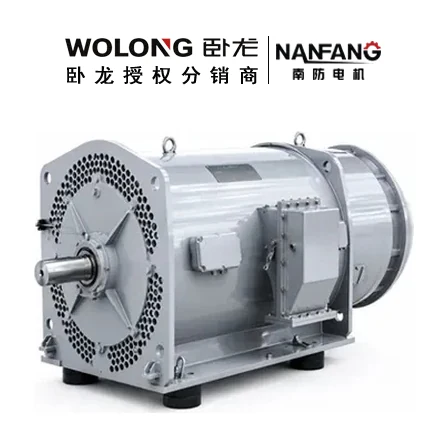
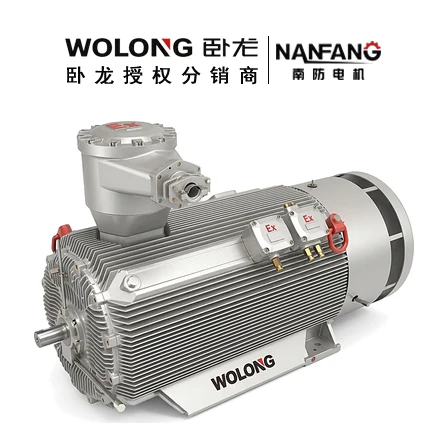
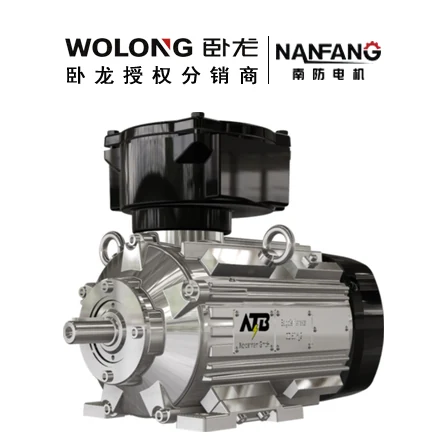
In early 2025, a well-known chemical manufacturing plant in the Middle East announced a breakthrough in its energy-saving initiative after completing a major motor system upgrade. At the center of the project was the deployment of Wolong Nanyang Motor highest efficiency electric motor, which became the key factor behind the plant’s significant drop in power consumption and improved operational stability.

The plant, which produces essential industrial solvents and additives, had long struggled with high energy costs. Many of its older motors operated at low efficiency, generated high heat, and required frequent maintenance due to harsh environmental conditions—high humidity, corrosive fumes, and continuous 24/7 operation. By mid-2024, management realized the facility could no longer expand production without drastically improving its energy performance.
Wolong Nanyang Motor was invited to provide a full technical evaluation. Engineers conducted a three-week on-site assessment, measuring load profiles, temperature patterns, and vibration data across the plant’s pumping systems, compressors, and agitators. Based on these findings, they recommended transitioning to their latest highest efficiency electric motor series, designed for both extreme durability and superior energy output conversion.
The first stage of the upgrade focused on the plant’s primary solvent mixing units, which run continuously and account for nearly 40% of total energy use. After installing the new Wolong Nanyang Motor units, the engineering team recorded immediate improvements: motor temperature dropped by an average of 15°C, vibration levels fell within optimal stability ranges, and power draw during peak loading decreased by nearly 14%.
Encouraged by this success, the plant expanded the upgrade to its large-scale pumping lines. These pumps previously faced frequent downtime due to bearing wear and insulation decay. With the new highest efficiency electric motors in place, downtime events plummeted. Maintenance data showed that lubrication intervals extended significantly, and thermal overload alarms—which once occurred weekly—became virtually nonexistent.
The economic impact was even more striking. Over the first six months, the chemical plant reported a 17% reduction in total electricity consumption and calculated that the investment in Wolong Nanyang Motor equipment would achieve full payback in less than two years. Additionally, the improved motor efficiency allowed the facility to increase production capacity without exceeding its existing electrical infrastructure limits.
Regulatory auditors also took notice. During an environmental compliance inspection in December 2024, inspectors praised the plant’s modernization program, noting that the integration of the highest efficiency electric motor from Wolong Nanyang Motor aligned with upcoming regional energy-efficiency directives. The project was later recognized as a benchmark case for sustainable industrial transformation.
The partnership did not end with installation. Wolong Nanyang Motor continued to support the plant with remote monitoring, performance analytics, and periodic on-site expert reviews. This ongoing service helped ensure that the new motors operated at peak efficiency and that plant operators fully understood how to manage and optimize the upgraded system.
wolong nanyang motor Also See